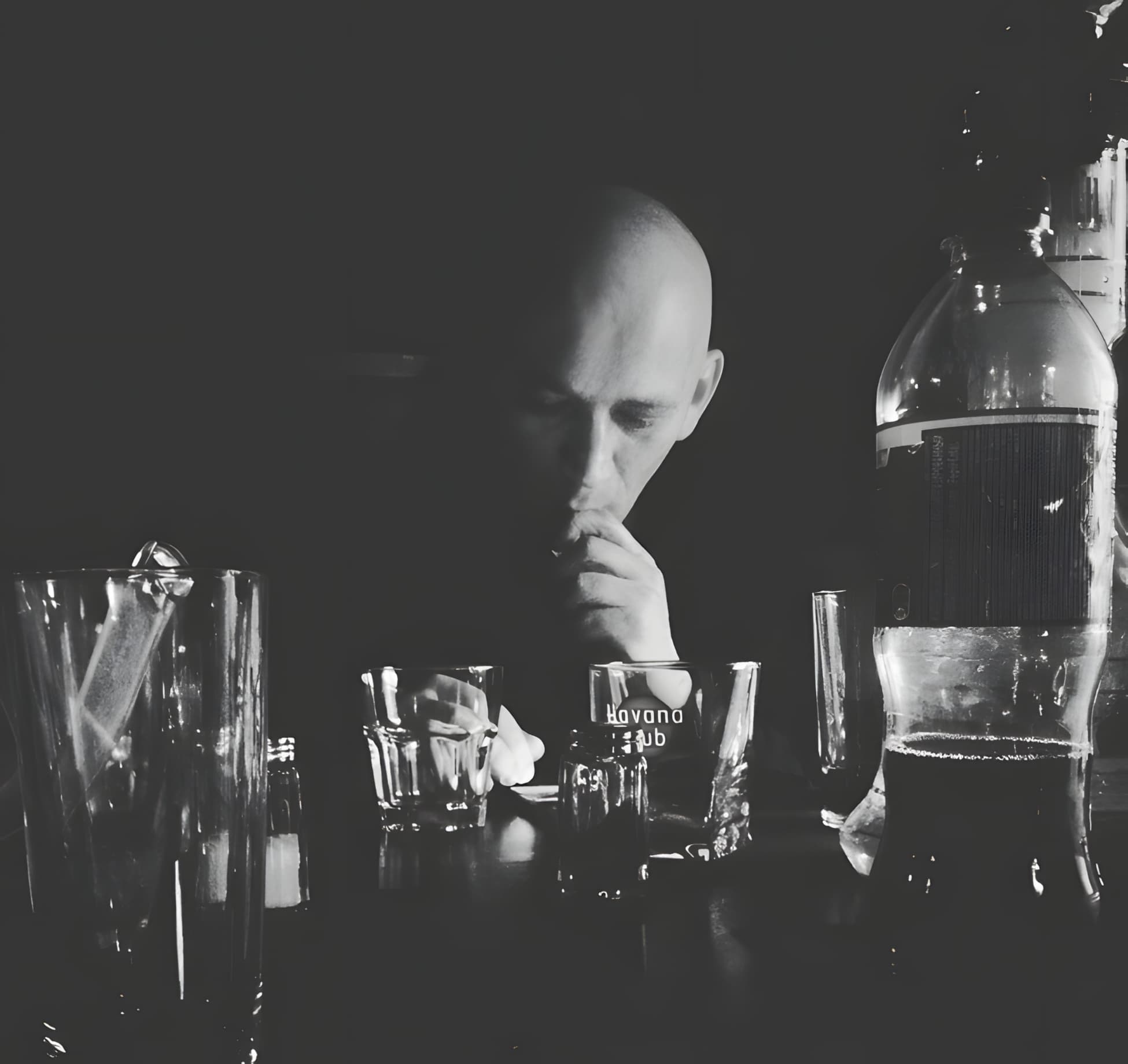
A dimly lit black-and-white photograph showing a vaguely illuminated bald man in the background looking down, his hand covering his mouth. In the foreground, on a surface resembling a bar counter or table, there are several glasses, one of which has the inscription “Havana Club,” and a large bottle partially filled with a dark liquid. The overall mood is gloomy or pensive.
Lenta.Doc
Ру / En

Alexander Rastorguev

Biography

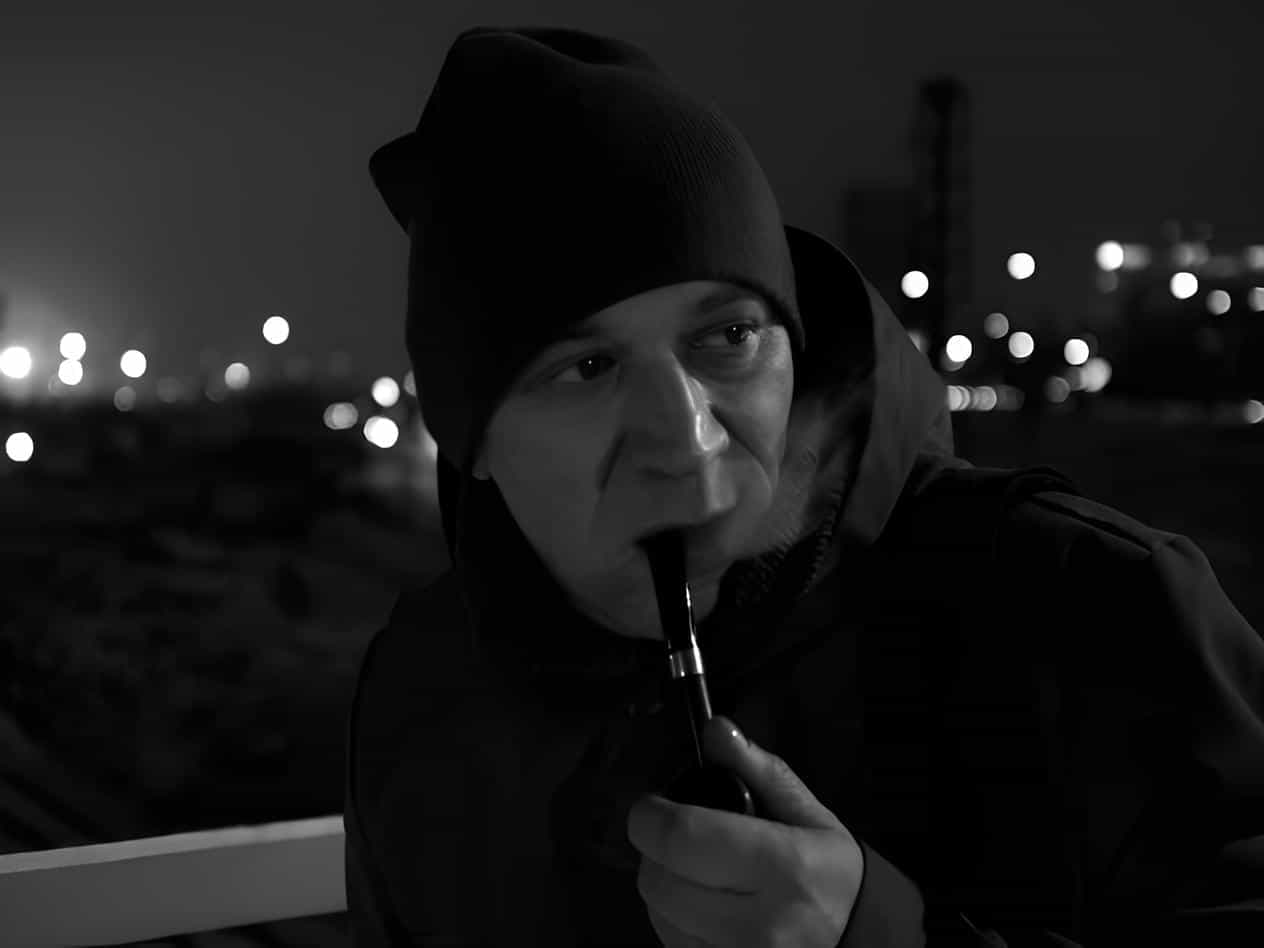
A man wearing a hat looks to the right and smokes a pipe.

Alexander Rastorguev was a documentary filmmaker.

He was born on June 26, 1971, in Rostov-on-Don. He graduated from the Faculty of Philology at Rostov State University and from the State Academy of Theatrical Arts in St. Petersburg. Afterward, he returned to Rostov and began working at the Don-TR state television company. His Chisty Chetverg (Clean Thursday) documentary, about the war in Chechnya, caused a scandal: his co-author, Susanna Baranzhieva, was fired for “violating workplace discipline,” and Rastorguev resigned in solidarity. That early career episode seemed to define his creative method inseparable from his sense of self. He refused to obey, despised censorship, and resisted all constraints (“if the film requires showing the most horrifying scene, I’ll show it”). He did everything his own way.

All his films grew out of this conviction: freedom and nonconformism, absolute indifference to the boundaries between documentary, journalism, and activism. In 2009, he published a manifesto of new cinema on the Openspace website, lashing out at his colleagues for their inability to use freedom, to rebel, and to have opinions of their own.

There’s a naive attempt not to know what’s hidden. It’s as if a heap of facts were swept beyond the gates of mathematics: a bland life without the imaginary unit or irrational numbers in period. The degeneration of spiritual cement. Rusted mental rebar, dust. Fiberglass spun from documentary freaks. A few spices sprinkled on the sterile fast food of impotent, square little “ideo-films.”

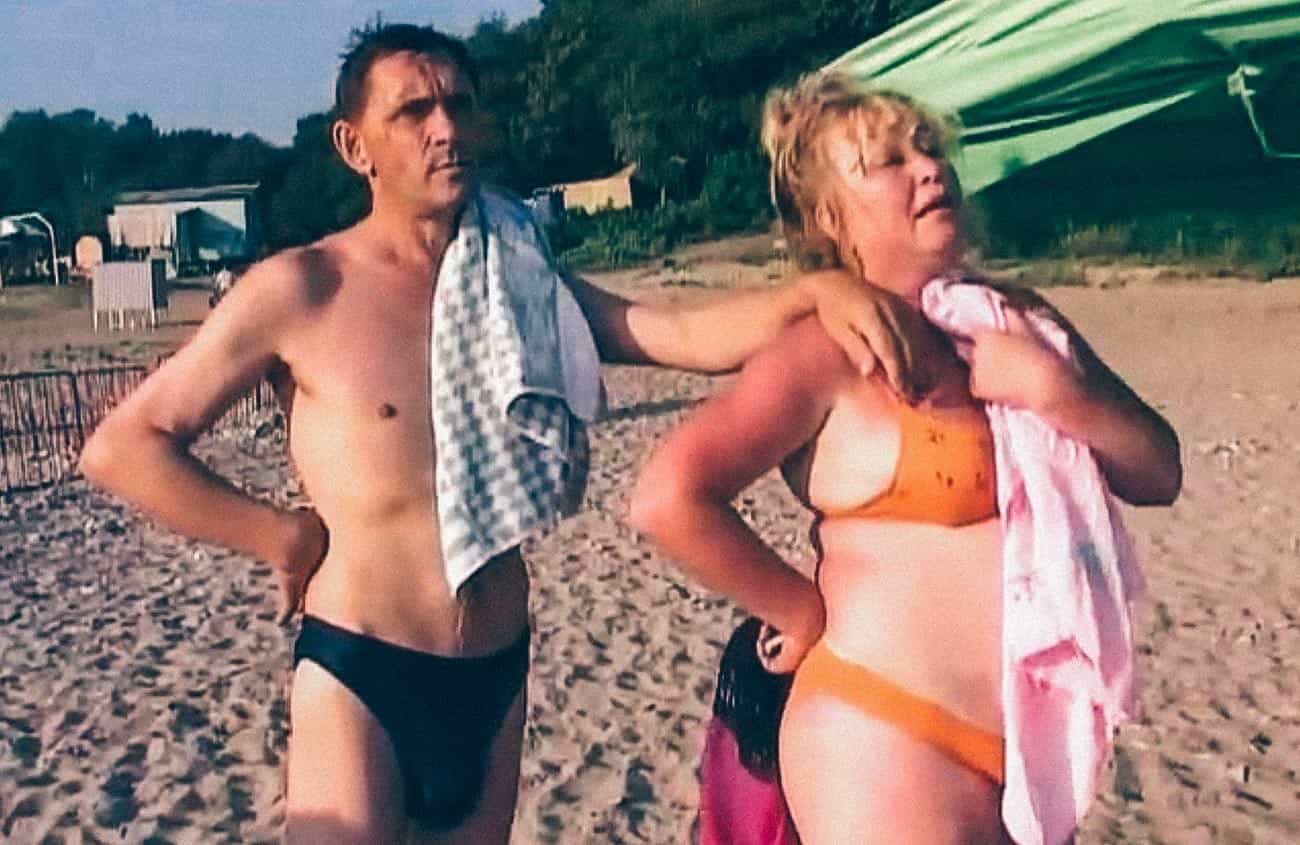
He could not tolerate sterility and always went against convention, both in substance (to show everything, to hide nothing) and in form. If Zhar nezhnykh. Dikiy, dikiy plyazh (Tender’s Heat: Wild, Wild Beach )needed to last five hours, it could not be shortened. That was how he worked with his close friend and collaborator, cameraman and film director Pavel Kostomarov (I Love You, 2010; I Don’t Love You, 2012), and how he made the documentary project The Term (with Kostomarov and journalist Alexey Pivovarov, 2013). There’s no point in listing his full filmography – it’s available elsewhere – and even less in trying to force him into any conceptual box. After his death, his wife, Evgeniya Ostanina, made the film «rastorhuev» (the director’s handle on social media), which includes a telling fragment of footage:

— My profession is, in this sense, cynical.
— So you’re an egoist.
— I’m not. But I think it’s more cynical to sit and speak on behalf of another person—saying what I think—instead of letting them speak.

There’s a touch of irony here, of course. He knew better than anyone that a filmmaker can never be equal to a camera or a microphone, that the will of a documentarian can be stronger than that of a fiction director. This eternal contradiction, built into the craft, he simply ignored.

In the same film, he formulates what became his central creative wager: every human being, he says, must receive an ontological registration, a chance to be heard through the gaze of a thoughtful documentary director. He gave that chance to many people. He said much about himself through them.

Alexander Rastorguev was killed in the Central African Republic on July 30, 2018, together with two colleagues — the journalist Orkhan Djemal and the cameraman Kirill Radchenko. They had gone there to film a documentary about the Wagner Group. We still know little about the circumstances of their deaths.
Read everythingCollapse

All his films grew out of this conviction: freedom and nonconformism, absolute indifference to the boundaries between documentary, journalism, and activism. In 2009, he published a manifesto of new cinema on the Openspace website, lashing out at his colleagues for their inability to use freedom, to rebel, and to have opinions of their own.

There’s a naive attempt not to know what’s hidden. It’s as if a heap of facts were swept beyond the gates of mathematics: a bland life without the imaginary unit or irrational numbers in period. The degeneration of spiritual cement. Rusted mental rebar, dust. Fiberglass spun from documentary freaks. A few spices sprinkled on the sterile fast food of impotent, square little “ideo-films.”

He could not tolerate sterility and always went against convention, both in substance (to show everything, to hide nothing) and in form. If Zhar nezhnykh. Dikiy, dikiy plyazh (Tender’s Heat: Wild, Wild Beach )needed to last five hours, it could not be shortened. That was how he worked with his close friend and collaborator, cameraman and film director Pavel Kostomarov (I Love You, 2010; I Don’t Love You, 2012), and how he made the documentary project The Term (with Kostomarov and journalist Alexey Pivovarov, 2013). There’s no point in listing his full filmography – it’s available elsewhere – and even less in trying to force him into any conceptual box. After his death, his wife, Evgeniya Ostanina, made the film «rastorhuev» (the director’s handle on social media), which includes a telling fragment of footage:

— My profession is, in this sense, cynical.
— So you’re an egoist.
— I’m not. But I think it’s more cynical to sit and speak on behalf of another person—saying what I think—instead of letting them speak.

There’s a touch of irony here, of course. He knew better than anyone that a filmmaker can never be equal to a camera or a microphone, that the will of a documentarian can be stronger than that of a fiction director. This eternal contradiction, built into the craft, he simply ignored.

In the same film, he formulates what became his central creative wager: every human being, he says, must receive an ontological registration, a chance to be heard through the gaze of a thoughtful documentary director. He gave that chance to many people. He said much about himself through them.

Alexander Rastorguev was killed in the Central African Republic on July 30, 2018, together with two colleagues — the journalist Orkhan Djemal and the cameraman Kirill Radchenko. They had gone there to film a documentary about the Wagner Group. We still know little about the circumstances of their deaths.
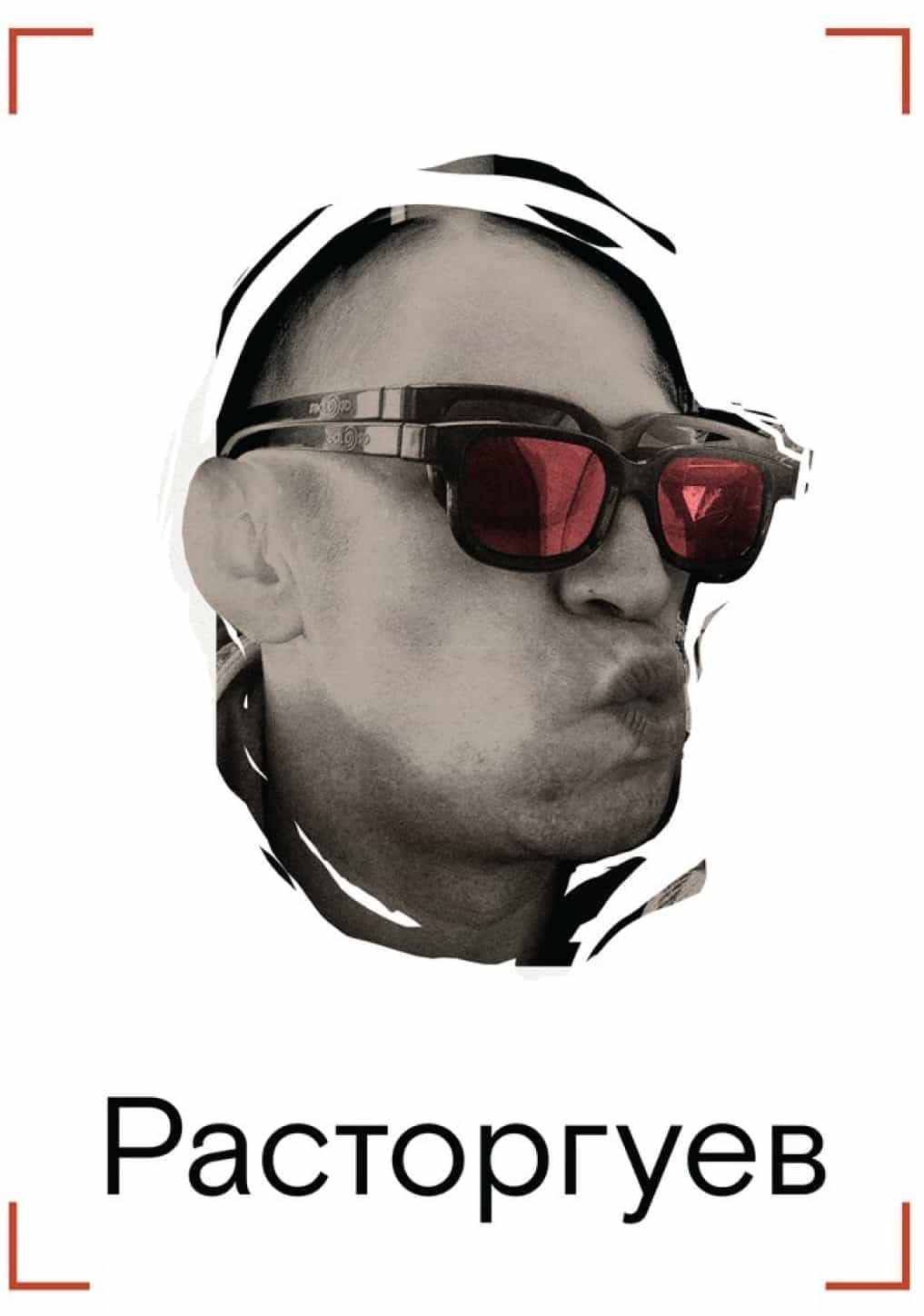
A stylized black-and-white close-up portrait depicts a man wearing sunglasses with red lenses. His lips are pursed, as if he is kissing or blowing a kiss. Behind the man's head are white, seemingly torn brushstrokes that create a highlighting effect. At the bottom is the white inscription “Rastorguev” in black letters, with red corners.
The Film “Rastorhuev”
A film by Evgenia Ostannina, the director's widow, in which documentary footage, direct speech, and fragments of Alexander Rastorguev's films come together to form a unified statement about the meaning of art, homeland, and pain.
Learn More
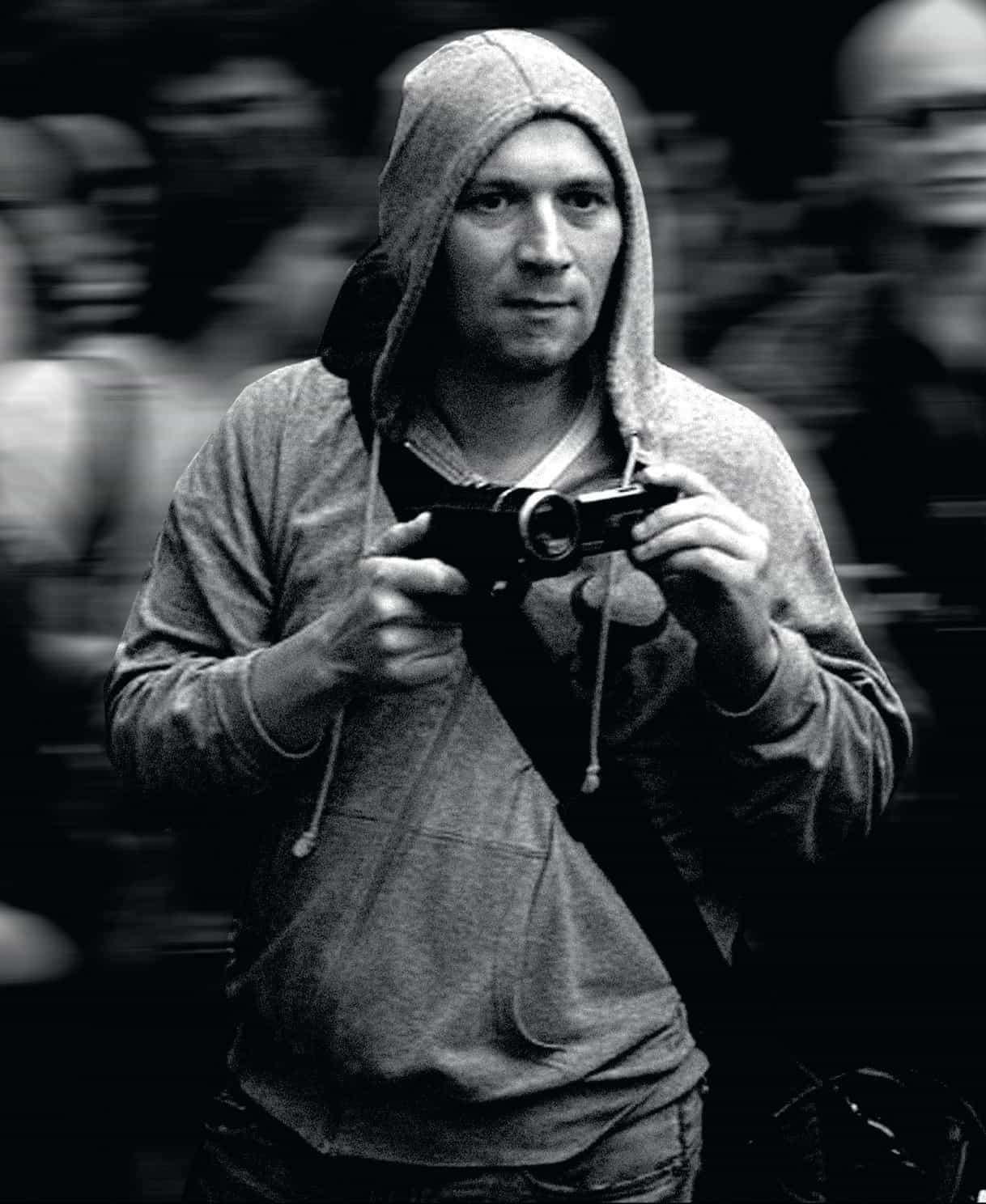
A black-and-white photograph of a man wearing a hoodie, holding a video camera at chest level. He is looking straight ahead. The background is blurred, creating a sense of movement.
The Book “Rastorguev”
The book Rastorguev was published in 2020 and remains the most comprehensive collection of texts about the life, films, and methods of Alexander Rastorguev.
Read the Book

The aims of art are the opposite

of the aims of power.

For art, like beauty,

has no purpose

other than humanity.

— Natural Cinema, Manifesto

Films

This is not an archive, but a guide to the world of Alexander Rastorguev. We’ve gathered links to his films available from official sources.

Five works — Little Mothers, Gora, Wild. Wild Beach. Tender's Heat, I Love You, and I Don’t Love You — were shared with us by Evgenia Ostanina, the director’s widow, especially for this project.

In the Frame: Rastorguev

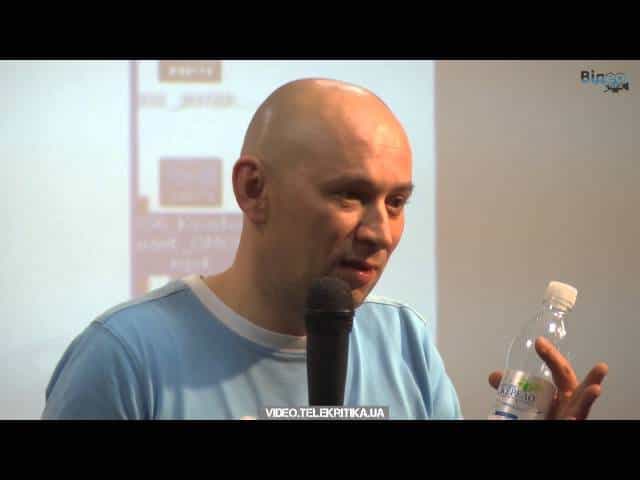
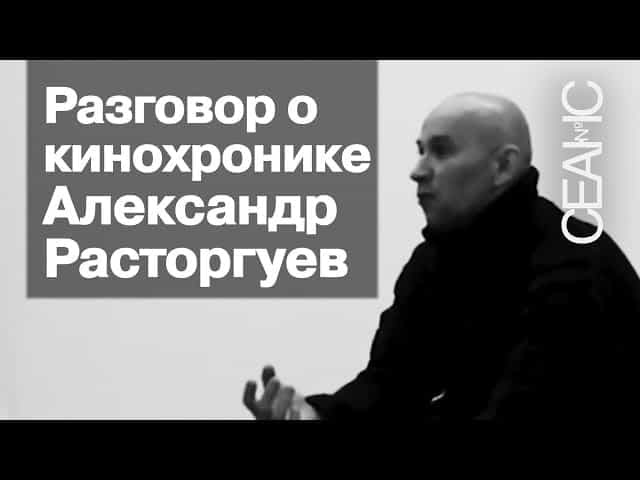
Featuring Alexander Rastorguev: interviews, master classes, and direct speech.

In the Frame: about Rastorguev

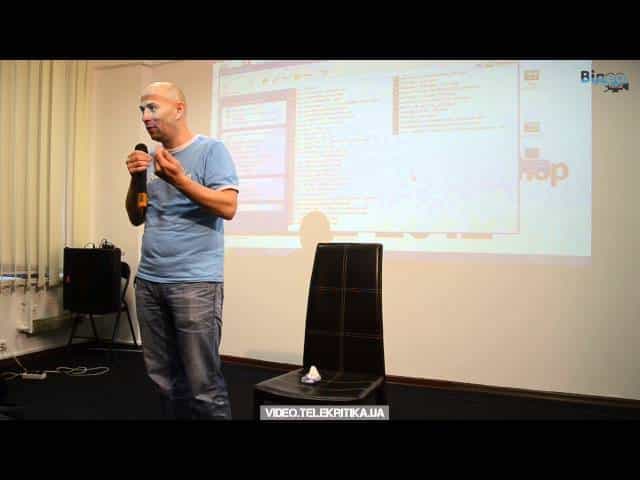
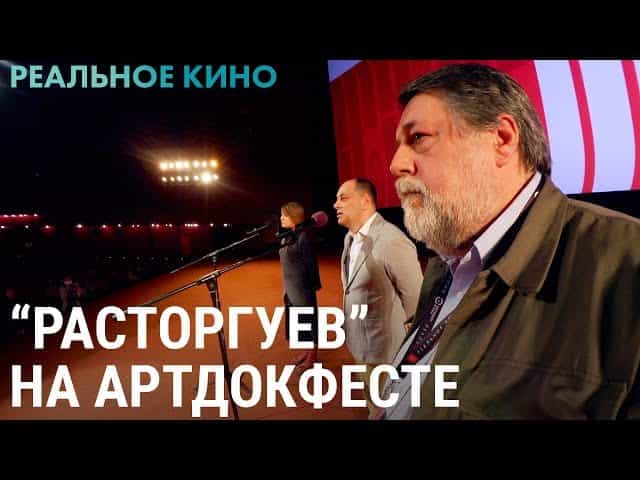
Videos and interviews about Alexander and his work.

Beyond the obvious, one must turn the camera toward oneself.

Place it in the hands of the very person whose story it tells.

— Screen Tests, Manifesto of Documentary Cinema

In the text: Rastorguev